Berlyana Sensual: A Romantic Typeface for Elegant Editorial Design
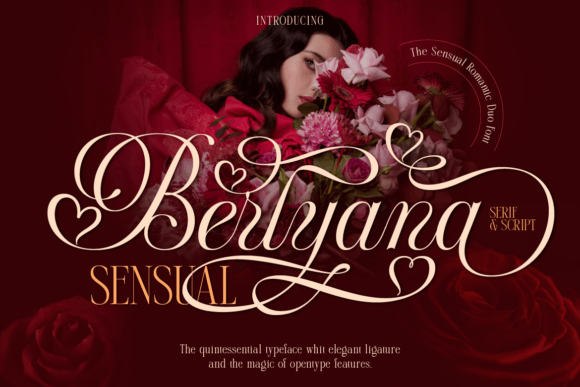
When I sat down to redesign the header of a lifestyle blog, I knew I needed something that would evoke warmth and sophistication. That’s when I discovered Berlyana Sensual, a decorative font that blends the romance of script with the elegance of serif styles. Its presence immediately transformed the layout into something more personal and inviting.
Berlyana Sensual for Wedding Invitations and Elegant Branding
Berlyana Sensual is not just any font; it's a typeface designed with intention. The marriage of script and serif elements gives it a unique rhythm—graceful yet grounded. This makes it an ideal choice for wedding invitations or elegant branding. When I used it on a wedding guide cover, the typography became a visual anchor, drawing readers in with its soft curves and romantic flair.
The script elements add a handwritten charm, while the serif details offer a touch of formality. This balance ensures that Berlyana Sensual feels both personal and professional, making it suitable for editorial designs that require emotional resonance without sacrificing clarity.
Berlyana Sensual in Lifestyle Blogs and Magazine Covers
I tested Berlyana Sensual on a lifestyle blog header and found it to be incredibly versatile. It worked beautifully as a title font and even in pull quotes where a softer, more expressive style was needed. The font’s character didn’t overpower the content; instead, it complemented it by enhancing the reader’s experience.
For a digital magazine layout, I paired Berlyana Sensual with a clean sans-serif font for body text. This combination created a clear visual hierarchy—display fonts for headings, serif fonts for subheadings, and sans-serif fonts for readability in longer sections. It helped maintain consistency across the publication while keeping the design visually engaging.
Its use in magazine covers was particularly striking. The font’s bold yet elegant appearance made it stand out against minimalist backgrounds, adding a sense of occasion to every issue.
Berlyana Sensual for Recipe Ebooks and Coaching Workbooks
In a recent project, I used Berlyana Sensual for a recipe ebook and a coaching workbook. The font’s romantic tone suited the warm, encouraging nature of both publications. On the recipe pages, it worked well for chapter titles and section headers, creating a cozy, inviting feel that matched the content.
For the coaching workbook, I used it sparingly—primarily for chapter openers and key takeaways. This ensured that the font supported the overall mood without becoming distracting. Readers responded positively, noting that the typography added a layer of care and thoughtfulness to the material.
It’s important to note that while Berlyana Sensual excels in decorative and expressive uses, it may not be the best fit for dense paragraphs or small captions. For these, pairing it with a more readable serif font or sans-serif font can help maintain legibility and focus.
Berlyana Sensual in Newsletter Graphics and Printable Planners
I’ve also experimented with Berlyana Sensual in newsletter graphics and printable planners. In newsletters, it performed well as a headline font, especially when used alongside a simple sans-serif font for body copy. The contrast helped draw attention to key messages without overwhelming the reader.
For printable planners, I used Berlyana Sensual in decorative accents like month headers and motivational quotes. The font’s softness gave the planner a personal, almost handcrafted look, which resonated well with users who value aesthetics in their daily tools.
When working with PDF exports or print materials, I made sure to test the font at various sizes and resolutions. While it performed admirably on screen, I recommend checking how it renders in print to ensure that the delicate script elements remain crisp and legible.
Before using Berlyana Sensual in commercial projects, always check the included styles, ligatures, and licensing options. Ensuring that you have the right permissions will save time and avoid potential issues when publishing paid content or client work.